La Condamine Market: Seven Monaco Food Traditions
La Condamine Market provides a different perspective on Monaco from the palaces and Belle Époque façades. In and around the market, the experience is shaped by daily routines: buying vegetables, exchanging greetings, meeting friends for coffee and discovering regional recipes. The district's proximity to Port Hercule and the Grand Prix circuit adds another dimension to its atmosphere. Seven themes from the published French guide help explain why this market is valued by residents and visitors alike.
In this guide: 1. A village atmosphere in a compact city, 2. Produce that reflects the Mediterranean, 3. Socca: the chickpea pancake, 4. Barbagiuan and other savoury traditions, 5. The market square as a place to pause.
1. A village atmosphere in a compact city
La Condamine occupies a central place in Monaco's everyday life. The market's appeal lies in the contrast between the city's international reputation and its local routines. Conversations at stalls, familiar faces and café tables make the square feel like a neighbourhood meeting place. This experience changes by hour and season, and not every visit will look the same. The lasting point is that Monaco has places where shopping and social interaction remain intertwined rather than being separated into purely commercial and purely public spaces.
2. Produce that reflects the Mediterranean
Fresh fruit, vegetables, herbs and other ingredients evoke the wider food culture of the French and Italian Riviera. A market visit can introduce travellers to seasonal produce and to the way residents prepare everyday meals. Looking at what is available is often more useful than arriving with a rigid shopping list. Ask sellers about provenance or seasonal choices where conversation is possible, and recognise that individual stalls and products change. This keeps the visit grounded in the living market rather than in a fixed catalogue of specialities.
3. Socca: the chickpea pancake
Socca is a familiar regional speciality associated with the wider Riviera. It is made from chickpea flour and baked at high heat to produce a thin pancake with a distinctive texture. The appeal is its simplicity: a few ingredients transformed by careful cooking and enjoyed informally. It offers a useful contrast with the fine-dining image often attached to Monaco. Availability can vary from one vendor or day to another, so visitors should treat any particular dish as a possibility rather than a guaranteed market service.
4. Barbagiuan and other savoury traditions
Barbagiuan is one of the foods closely associated with Monaco's culinary heritage. This fried pastry is typically filled with a savoury mixture that may include greens and other ingredients, depending on the recipe. Pissaladière and neighbouring Mediterranean dishes also illustrate how food cultures cross political borders. These traditions tell a story of home cooking, migration and locally adapted ingredients. Trying them can be a way to understand the region's identity, provided ingredients and allergens are checked where necessary.
5. The market square as a place to pause
Food shopping is only one reason to visit the market area. Tables and nearby cafés invite residents and visitors to stay, eat and watch the district go about its day. This helps explain why the market is part of local culture rather than just a retail facility. A short break here can fit naturally between other central Monaco landmarks. Visitor numbers and seating arrangements fluctuate; it is sensible to avoid assuming that a specific table or vendor will always be available.
6. A neighbourhood close to the Grand Prix route
La Condamine lies near places internationally associated with Monaco's motor-racing history. At race time, the area's atmosphere and access arrangements can be markedly different from an ordinary morning. Yet the market has its own identity independent of the Grand Prix. Seeing the neighbourhood in a quieter period reveals residential streets and everyday activities that are less visible in television coverage. These contrasting experiences make the district particularly interesting for travellers seeking a broader picture of Monaco.
7. How to make the most of a market visit
Plan a simple route on foot, allow time for browsing and check current opening arrangements before travelling. If your goal is to try a particular speciality, arrive with flexibility and ask the vendors what is available that day. Be considerate when photographing people at work. The market works particularly well as part of a walking itinerary linking the Condamine neighbourhood with Port Hercule. Its appeal is not a long checklist of attractions but the opportunity to observe and participate in a living local environment.
How this landmark fits the wider Monaco story
This landmark can be understood most clearly alongside the other sites of the principality. The casino district, the Rock, La Condamine and the seafront were shaped at different times and for different purposes. Together they reveal the relationship between princely history, architecture, science, hospitality, local culture and contemporary life. Each place remains part of a working city, so today’s access conditions and events should be checked separately from the historical information recorded in the French editorial reference.
Continue with the complete Monaco landmarks guide for the ten-site overview. Related reading: Place du Casino Monaco: Five Reasons It Became an Icon and Grimaldi Forum Monaco: Six Keys to Its Architecture.
What to remember
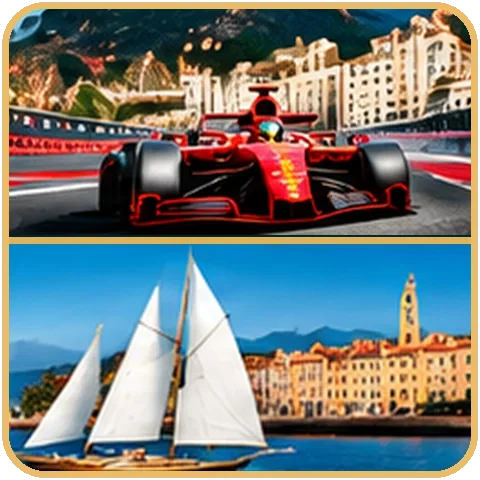
The most useful visit combines a look at the site itself with an understanding of the wider district. This English adaptation retains the themes of its French source, but practical details, opening rules, event schedules and historical dates should be checked with current authoritative sources before publication. The accompanying image is generated editorial artwork, not photographic evidence of the site.
In this guide
Main guide : Monaco Landmarks: Ten Essential Places to Discover
- Casino de Monte-Carlo: 10 Facts Behind Its History
- Hôtel de Paris Monte-Carlo: The Story Since 1864
- Opéra de Monte-Carlo: Seven Details of the Salle Garnier
- Place du Casino Monaco: Five Reasons It Became an Icon
- Oceanographic Museum of Monaco: Eight Reasons to Visit
- Prince’s Palace of Monaco: Seven Spaces and Traditions
- Monaco Cathedral: Seven Keys to a Princely Landmark
- La Condamine Market: Seven Monaco Food Traditions
- Grimaldi Forum Monaco: Six Keys to Its Architecture
- Japanese Garden Monaco: Six Principles Behind Its Design
Frequently asked questions
What can visitors find at La Condamine Market?
Depending on the day, stalls and food outlets may offer produce and regional specialities.
What is barbagiuan?
A savoury fried pastry closely associated with Monaco and nearby regional cooking.
Is the market near Port Hercule?
Yes, the market district is close to the harbour area and fits into a walking itinerary.