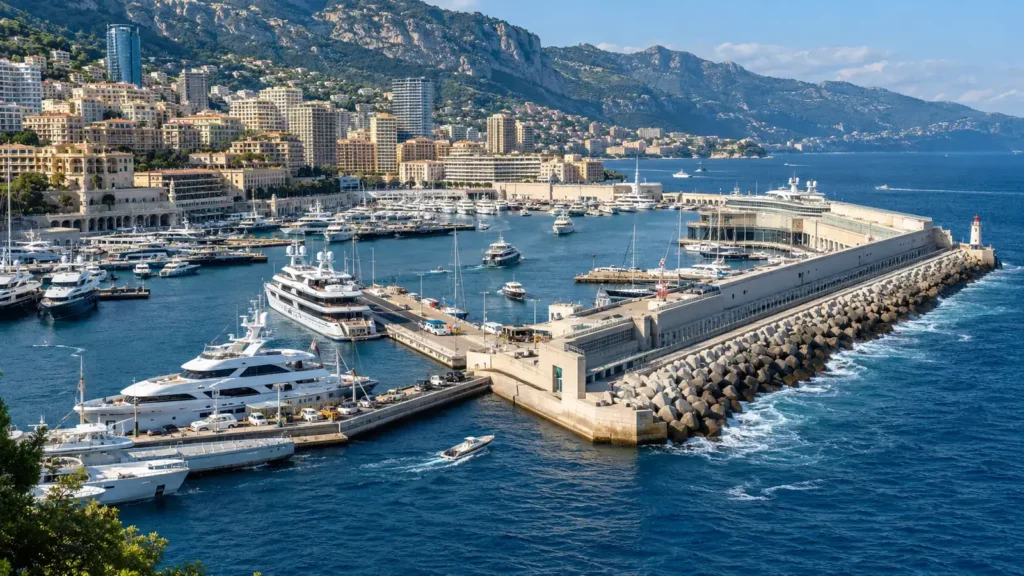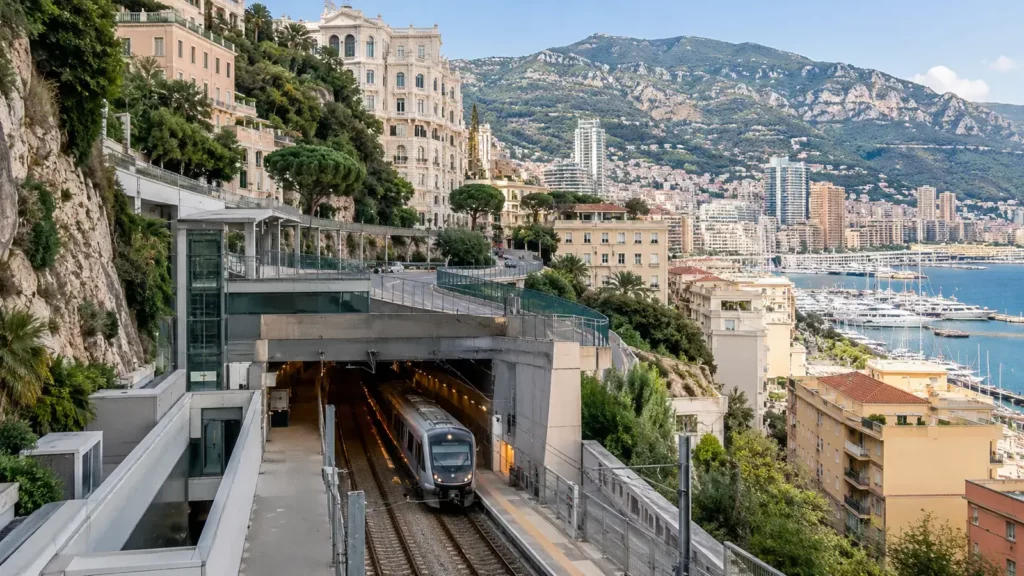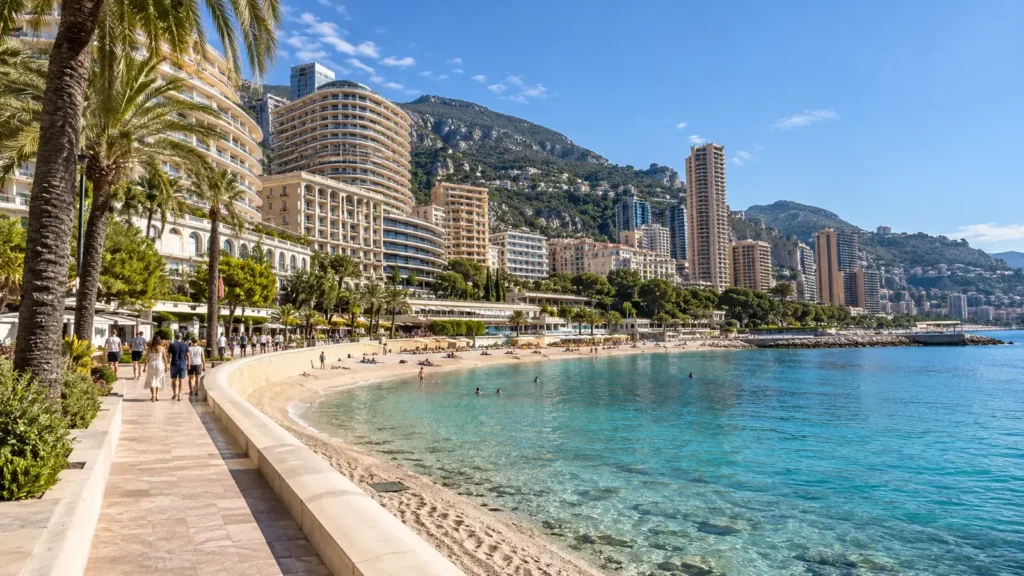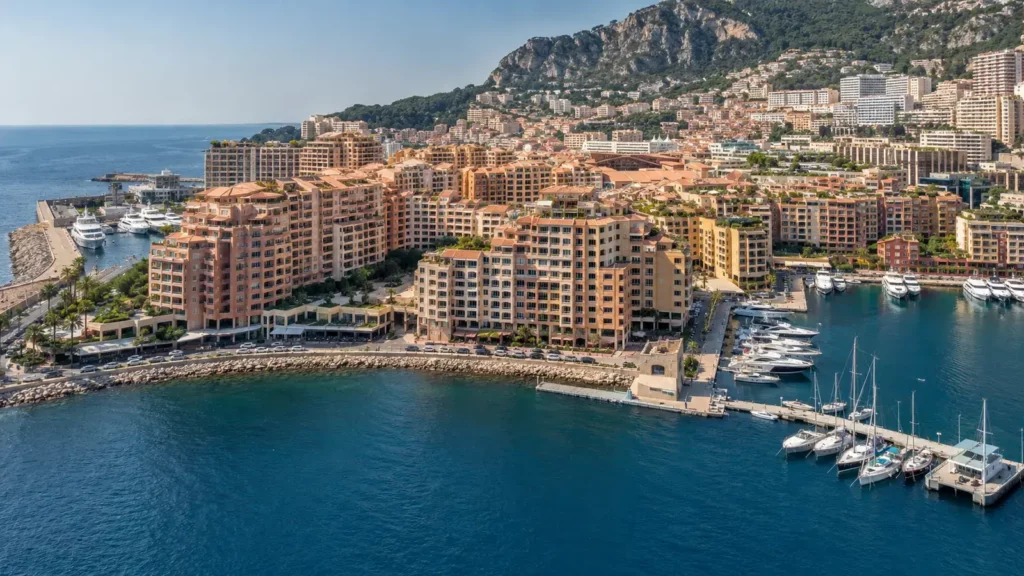
Monaco’s urban landscape brings together steep topography, limited land, coastal engineering, heritage buildings and extensive transport infrastructure. This guide connects ten closely related subjects from an established French editorial dossier, adapted into English for readers who want to understand the Principality beyond its skyline. Each chapter looks at a different form of intervention, from underground railways and road tunnels to new neighbourhoods, historic buildings and more sustainable development.
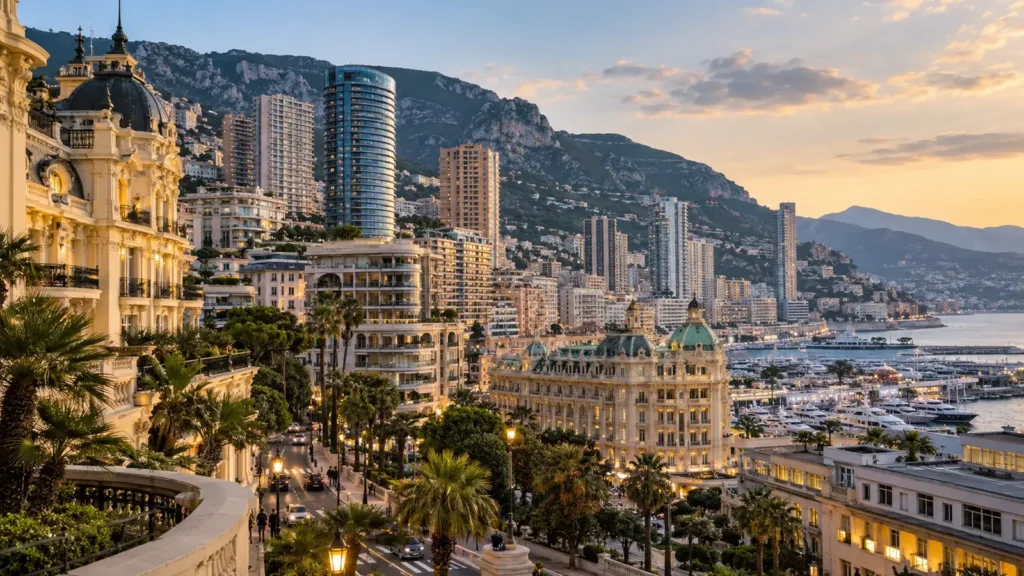
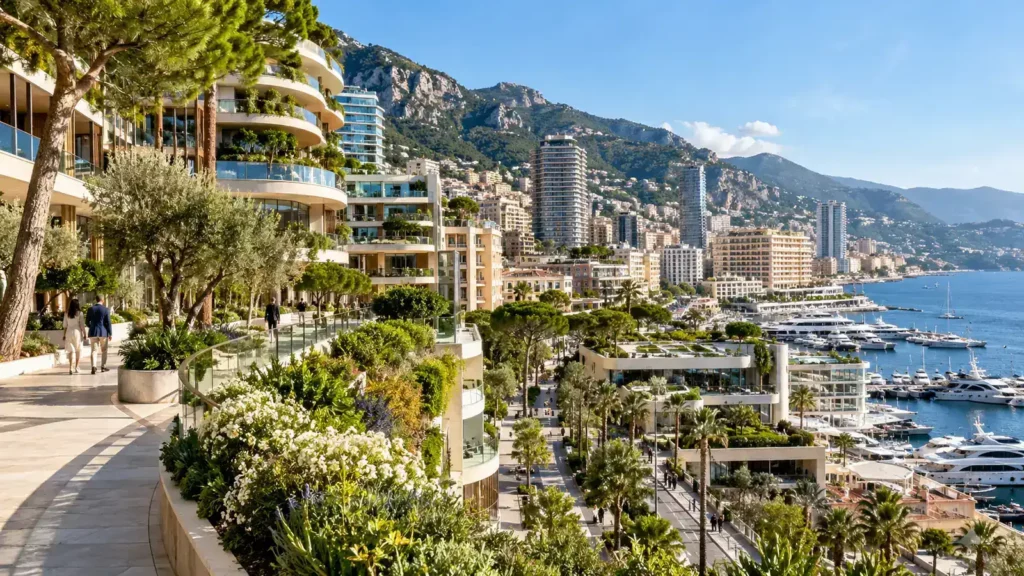
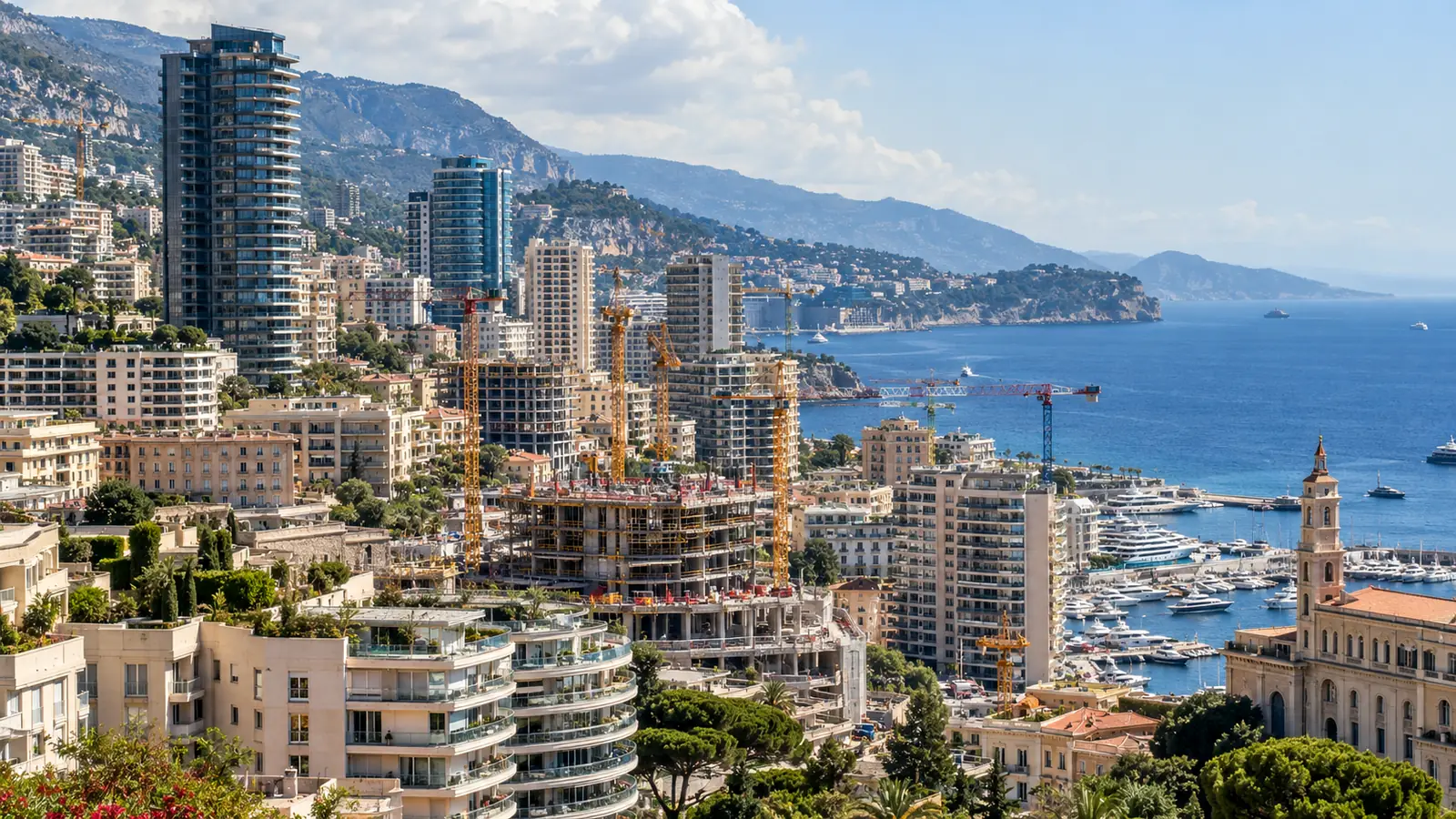
How to use this guide. Read the sections below for an overview, then open the related articles for further discussion. Each chapter is part of the same cluster, and together they show how Monaco has tried to reconcile urban growth with geographic limits and the Mediterranean coast. The visual materials are AI-generated photorealistic illustrations rather than verified documentary photographs.
Why urban planning is unusually demanding in Monaco
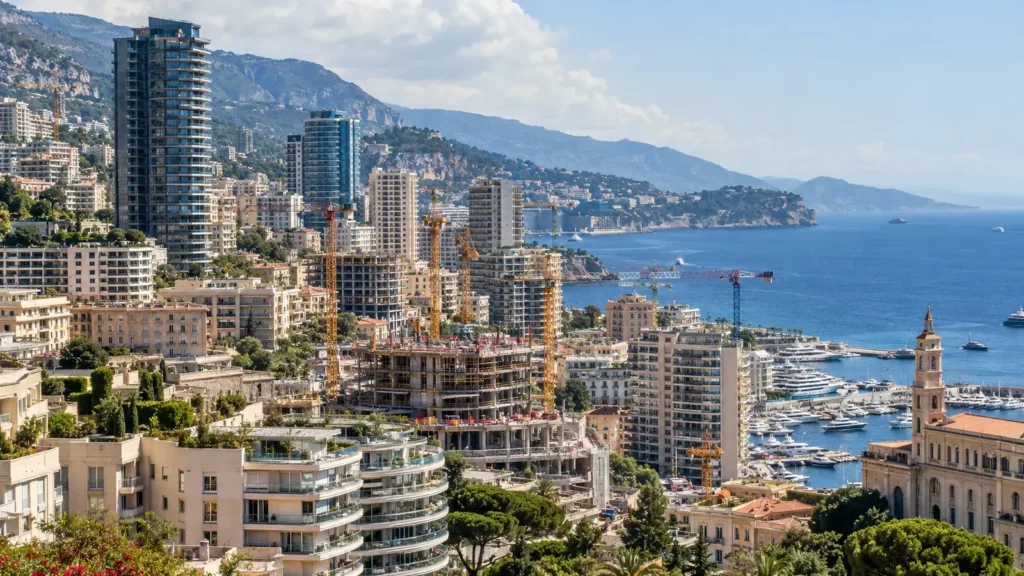
Monaco sits between the sea and the mountains. Expansion across large vacant inland plots is not available in the way it might be for many other cities. Its urban history therefore involves building vertically, locating important functions underground and, in several periods, creating land along the coast. These approaches offer opportunities but also introduce complex technical and environmental questions. The wider urban system must support not only residents but employees, services and visitors who move through the same confined streets.
Ten connected perspectives on urban change
01. Why Monaco Keeps Building: Seven Forces Shaping the City
An English guide to construction in Monaco, adapted from the Monaco urban-planning dossier. This chapter explores how physical limits and urban priorities meet in practice. Read article 1: Why Monaco Keeps Building: Seven Forces Shaping the City.
02. Monaco’s Underground Railway: Three Stages of Change
An English guide to Monaco underground railway, adapted from the Monaco urban-planning dossier. This chapter explores how physical limits and urban priorities meet in practice. Read article 2: Monaco’s Underground Railway: Three Stages of Change.
03. Larvotto: Six Stages in Monaco’s Seafront History
An English guide to Larvotto history, adapted from the Monaco urban-planning dossier. This chapter explores how physical limits and urban priorities meet in practice. Read article 3: Larvotto: Six Stages in Monaco’s Seafront History.
04. How Fontvieille Was Built on Reclaimed Land
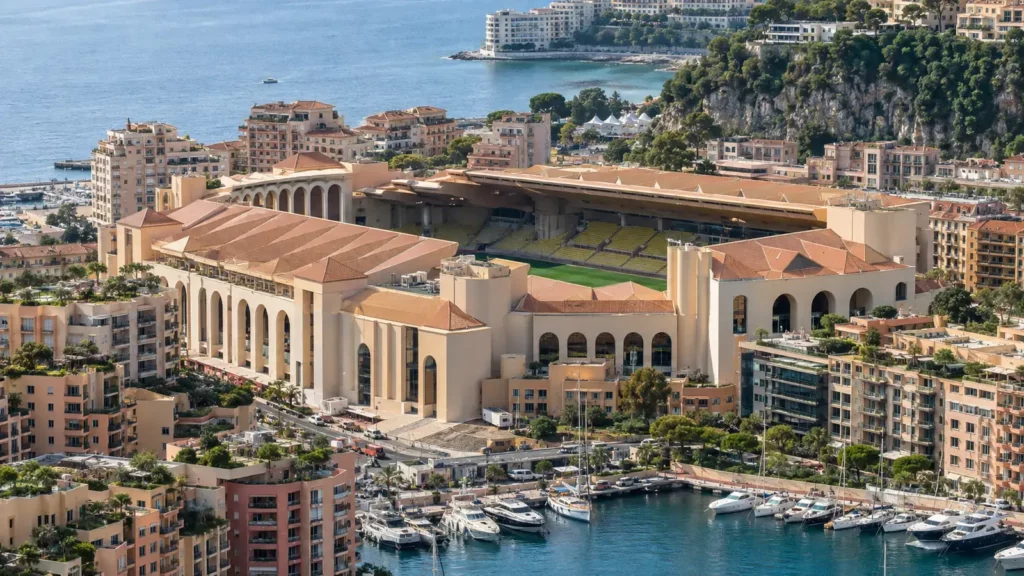
An English guide to Fontvieille construction, adapted from the Monaco urban-planning dossier. This chapter explores how physical limits and urban priorities meet in practice. Read article 4: How Fontvieille Was Built on Reclaimed Land.
05. Stade Louis-II: Five Challenges Behind Its Construction
An English guide to Stade Louis II construction, adapted from the Monaco urban-planning dossier. This chapter explores how physical limits and urban priorities meet in practice. Read article 5: Stade Louis-II: Five Challenges Behind Its Construction.
06. Seven Types of Tunnels Shaping Monaco’s Mobility
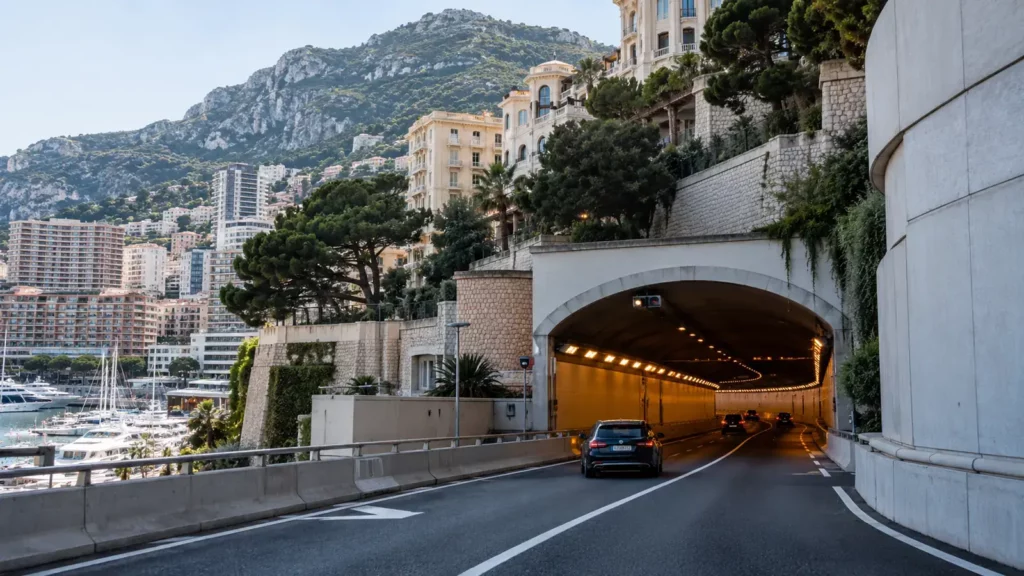
An English guide to Monaco tunnels, adapted from the Monaco urban-planning dossier. This chapter explores how physical limits and urban priorities meet in practice. Read article 6: Seven Types of Tunnels Shaping Monaco’s Mobility.
07. Port Hercule Breakwater: How the Harbour Changed
An English guide to Port Hercule breakwater, adapted from the Monaco urban-planning dossier. This chapter explores how physical limits and urban priorities meet in practice. Read article 7: Port Hercule Breakwater: How the Harbour Changed.
08. Mareterra Monaco: Ten Ideas Behind the Sea Extension
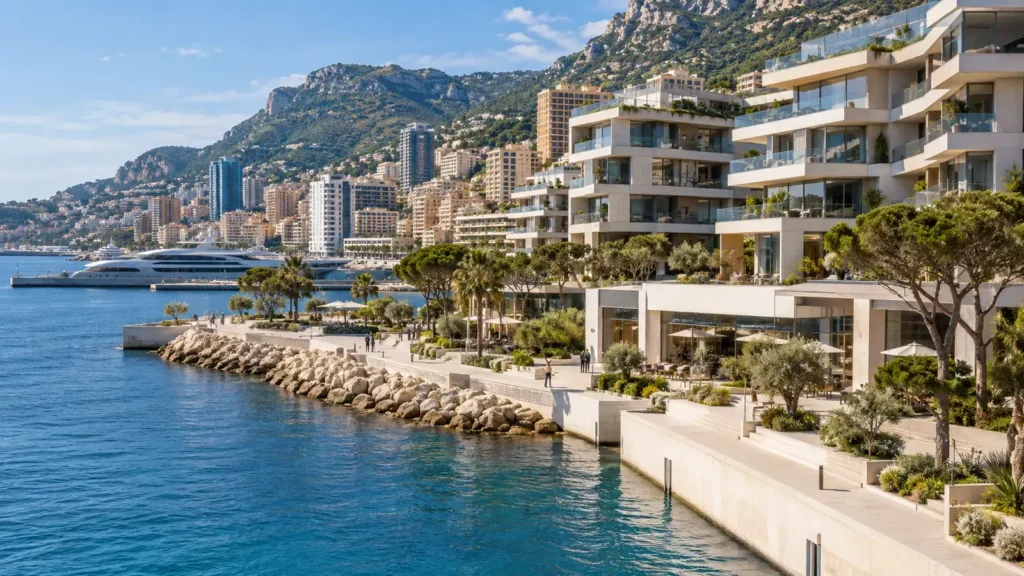
An English guide to Mareterra Monaco, adapted from the Monaco urban-planning dossier. This chapter explores how physical limits and urban priorities meet in practice. Read article 8: Mareterra Monaco: Ten Ideas Behind the Sea Extension.
09. Nine Buildings That Tell Monaco’s Architectural Story
An English guide to Monaco architecture, adapted from the Monaco urban-planning dossier. This chapter explores how physical limits and urban priorities meet in practice. Read article 9: Nine Buildings That Tell Monaco’s Architectural Story.
10. Sustainable Urban Planning in Monaco: Seven Priorities
An English guide to sustainable urban planning Monaco, adapted from the Monaco urban-planning dossier. This chapter explores how physical limits and urban priorities meet in practice. Read article 10: Sustainable Urban Planning in Monaco: Seven Priorities.
Infrastructure and the three-dimensional city
Transport in Monaco is shaped by a city where a journey may move between different heights and pass through tunnels or underground stations. The rail system and the network of roads show how infrastructure can free land and connect dense neighbourhoods. Yet the way people reach entrances, transfer between routes and continue on foot is as important as the engineering of a tunnel. The urban value of infrastructure is measured at the places where it meets daily public life.
Coastal engineering and new land
Fontvieille, Mareterra, Larvotto and Port Hercule offer distinct examples of Monaco’s relationship with the water. One area is associated with an extensive reclaimed district, another with a contemporary coastal extension, while the harbour and seafront show the role of protective structures and public access. These projects illustrate how changing the coast involves foundations, wave protection, the design of public routes and consideration of marine habitats. Their long-term results should be evaluated beyond their construction dates.
Architecture, heritage and environmental priorities
Historic landmarks such as the Prince’s Palace, the Cathedral and the Casino contribute to a city whose newer architecture frequently reaches upward or outward. The balance between old and new is not only visual. It includes public space, accessibility, building performance and how a district operates at street level. Future planning must also confront mobility demand, energy use, heat, vegetation and coastal resilience. Together, the ten articles offer a framework for exploring those connected choices.
Comparing the ten cases
When comparing these projects, it is helpful to separate three themes: infrastructure beneath the city, transformation of the coastal edge and the evolution of architecture above ground. A rail tunnel may affect connectivity, a reclaimed district may change the coastline and a new tower may reshape the skyline; each also has consequences for daily access, maintenance and community needs. Following these connections through the articles reveals why Monaco must plan across engineering disciplines rather than considering every construction site in isolation.
Editorial note and next steps
This English dossier is a working adaptation of a French editorial cluster. It is intended for review and controlled import into WordPress drafts. The information should be checked against relevant official sources before being presented as an authoritative, up-to-date account. The importer’s full SEO and routing tests must also be completed before any publication decision. Readers can navigate the article directory above to pursue the topics most relevant to their interests.
The 10 articles in this guide
Why Monaco Keeps Building: Seven Forces Shaping the City
An English guide to construction in Monaco, adapted from the Monaco urban-planning dossier.
Monaco’s Underground Railway: Three Stages of Change
An English guide to Monaco underground railway, adapted from the Monaco urban-planning dossier.
Larvotto: Six Stages in Monaco’s Seafront History
An English guide to Larvotto history, adapted from the Monaco urban-planning dossier.
How Fontvieille Was Built on Reclaimed Land
An English guide to Fontvieille construction, adapted from the Monaco urban-planning dossier.
Stade Louis-II: Five Challenges Behind Its Construction
An English guide to Stade Louis II construction, adapted from the Monaco urban-planning dossier.
Seven Types of Tunnels Shaping Monaco’s Mobility
An English guide to Monaco tunnels, adapted from the Monaco urban-planning dossier.
Port Hercule Breakwater: How the Harbour Changed
An English guide to Port Hercule breakwater, adapted from the Monaco urban-planning dossier.
Mareterra Monaco: Ten Ideas Behind the Sea Extension
An English guide to Mareterra Monaco, adapted from the Monaco urban-planning dossier.
Nine Buildings That Tell Monaco’s Architectural Story
An English guide to Monaco architecture, adapted from the Monaco urban-planning dossier.
Sustainable Urban Planning in Monaco: Seven Priorities
An English guide to sustainable urban planning Monaco, adapted from the Monaco urban-planning dossier.
In this guide
Main guide : Urban Planning in Monaco: Construction and Coastal Change
- Why Monaco Keeps Building: Seven Forces Shaping the City
- Monaco’s Underground Railway: Three Stages of Change
- Larvotto: Six Stages in Monaco’s Seafront History
- How Fontvieille Was Built on Reclaimed Land
- Stade Louis-II: Five Challenges Behind Its Construction
- Seven Types of Tunnels Shaping Monaco’s Mobility
- Port Hercule Breakwater: How the Harbour Changed
- Mareterra Monaco: Ten Ideas Behind the Sea Extension
- Nine Buildings That Tell Monaco’s Architectural Story
- Sustainable Urban Planning in Monaco: Seven Priorities
Frequently asked questions
What is the purpose of this Monaco urban-planning guide?
It groups ten related articles on the city’s construction, infrastructure, coastline, architecture and sustainability into one thematic guide.
Are the pictures documentary photographs?
No. The images supplied in this test are AI-generated photorealistic illustrations intended for editorial drafts.
Is this a final verified English publication?
No. The material is a working adaptation pending factual, language, routing and SEO checks.
Primary source
Further reading
- Why Monaco Keeps Building: Seven Forces Shaping the City
- Monaco’s Underground Railway: Three Stages of Change
- Larvotto: Six Stages in Monaco’s Seafront History
- How Fontvieille Was Built on Reclaimed Land
- Stade Louis-II: Five Challenges Behind Its Construction
- Seven Types of Tunnels Shaping Monaco’s Mobility
- Port Hercule Breakwater: How the Harbour Changed
- Mareterra Monaco: Ten Ideas Behind the Sea Extension
- Nine Buildings That Tell Monaco’s Architectural Story
- Sustainable Urban Planning in Monaco: Seven Priorities